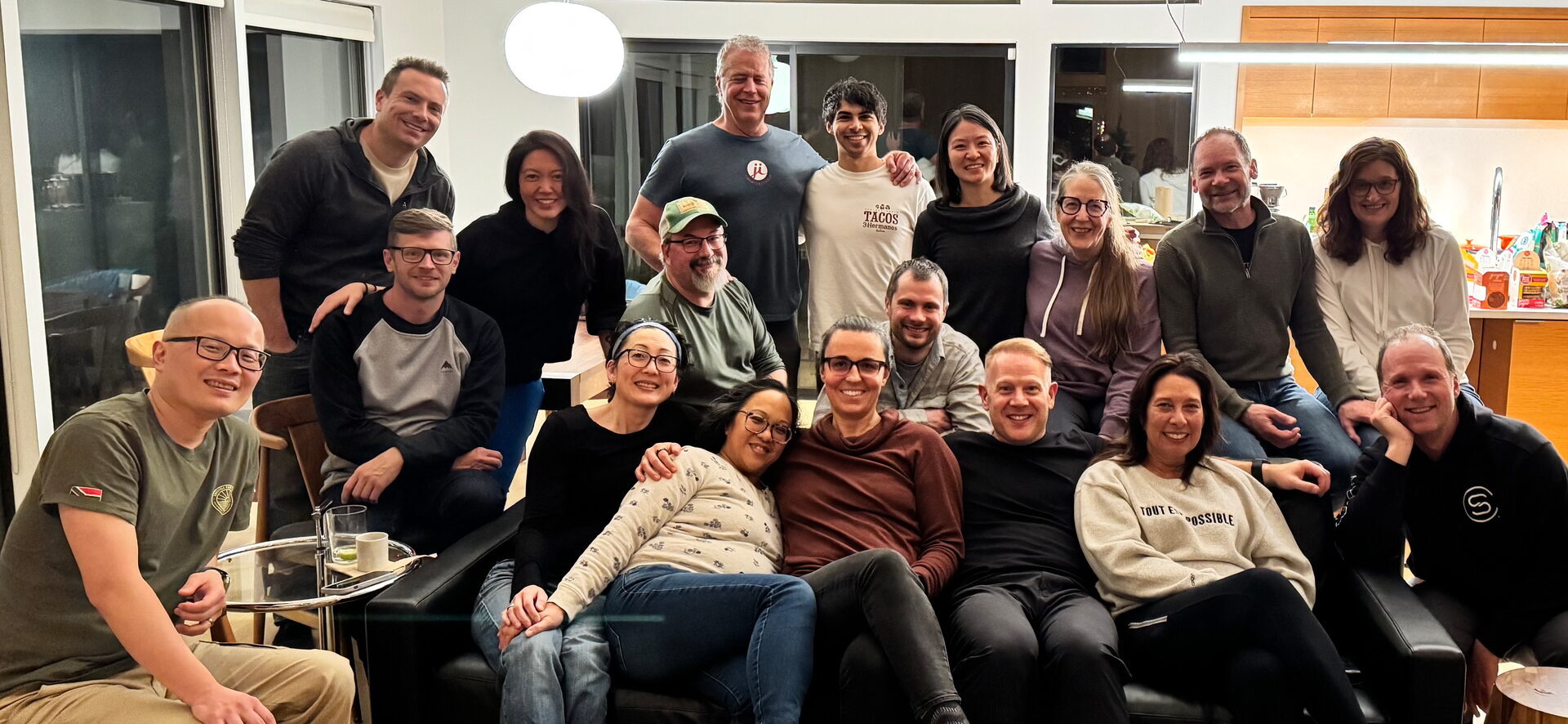
The Special Response Team

A group of highly trained manual therapists with advanced LSP training dedicated to expanding access to life altering manual therapy and the LSP.

Who We Are

The SRT is a group of highly trained LSP practitioners formed in mid-2023. Their responsibilities include helping to vet NTS processes, supporting research programs and data collection, participating in pilot studies, and serving as teaching assistants for LSP courses. 

Join the SRT

If you are interested in the SRT and you feel confident in your application of the protocol, we would love to meet you and evaluate your technique and approach in manual therapy.
Apply to Join the SRT

In order to be eligible for membership in the SRT you must have completed all available LSP Courses. You need to have been in a clinical setting performing manual therapy for a minimum of 4 years and have extensive experience in cranial manipulation. You must obtain the recommendation from at least two SRT members and include their recommendations in your application for consideration.

Much of the application process involves personal recommendations from existing SRT members. Currently, all LSP course TAs are required to be members of the SRT. Key components for consideration include personal character, professionalism, and a humble yet confident personality. You must be a fantastic communicator, well versed in human anatomy, and of course a high level of clinical application in the field of manual therapy. We are interested in a diverse group of therapists including Barral VM practitioners, Cranio-Sacral Therapists, Fascial Counterstrain Therapist and DO's with an expertise in OMT.


SRT & Law Enforcement

Currently the SRT is performing Pilot studies with local law enforcement agencies in the Portland Metro Area. When the LSP Pilot program is mature it will be run nationally through the full SRT membership in an effort to drastically increase the sample size of participants involved and to improve the outcomes through refinement of the techniques and how the protocol is implemented.